A Complete Guide to Harrowing, Rolling & Improving Pasture Condition
An uneven horse paddock can create safety issues for horses, reduce grazing quality and make paddock maintenance more difficult. Hoof damage, winter poaching, molehills, heavy rainfall and general horse traffic can all leave paddocks rough and uneven over time.
Fortunately, with the right approach and equipment, it is possible to improve paddock condition and create a smoother, healthier grazing surface. In most cases, levelling a horse paddock requires a combination of harrowing, rolling and grassland management rather than relying on a roller alone.

Why Do Horse Paddocks Become Uneven?
Several factors can contribute to uneven paddocks:
- Winter poaching
- Horse traffic
- Wet weather
- Molehills
- Surface compaction
- Poor drainage
- Lack of regular maintenance
Identifying the cause of the problem can help determine the best approach to restoring paddock condition.
Step 1: Harrow the Paddock
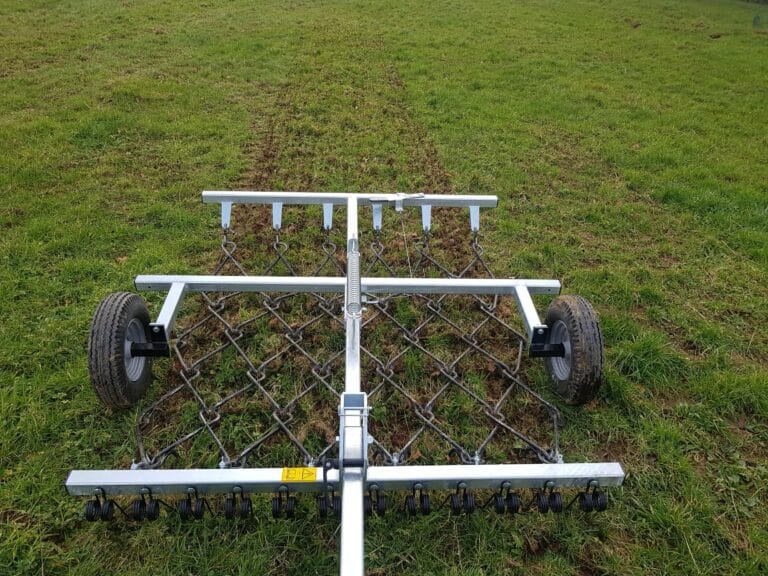
Harrowing is often the first step when levelling a horse paddock.
Using Chain Harrows helps:
- Break up manure
- Remove dead grass
- Level minor surface irregularities
- Improve airflow to the soil
- Encourage healthier grass growth
Regular harrowing helps maintain paddock condition and prepares the surface for rolling.
Choosing the Right Roller
The best roller depends on the size of the area being maintained and the vehicle available for towing.
Step 1: Harrow the Paddock
Step 2: Use Scarrow Grass Harrows
Harrowing is often the first step when levelling a horse paddock.
Using Chain Harrows helps:
- Break up manure
- Remove dead grass
- Level minor surface irregularities
- Improve airflow to the soil
- Encourage healthier grass growth
Regular harrowing helps maintain paddock condition and prepares the surface for rolling.
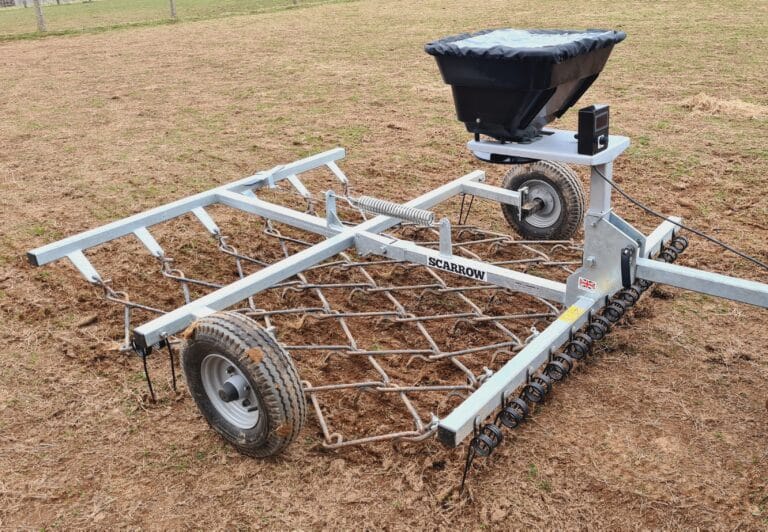
For paddocks with excessive thatch, moss or poor grass growth, Scarrow Grass Harrows can provide additional benefits.
Scarrow harrows help:
- Remove thatch and moss
- Improve soil aeration
- Encourage stronger root development
- Promote healthier pasture growth
- Improve seed-to-soil contact
Many horse owners use Scarrow harrows as part of a complete pasture improvement programme.

Step 3: Overseed Where Required
Step 4: Roll the Paddock
If grass coverage is poor, overseeding may be beneficial following harrowing and rolling.
Overseeding can help:
- Improve pasture density
- Fill bare patches
- Reduce weed growth
- Improve grazing quality
Combining overseeding with proper paddock maintenance can significantly improve long-term pasture condition.
Once harrowing has been completed, rolling can help create a smoother and more even surface.
Rolling helps:
- Flatten molehills
- Firm loose soil
- Improve surface levels
- Support grass establishment
- Create safer grazing conditions

See The Scarrow in action
Why Choose Our Equipment
Heavy Duty Construction
Built to withstand demanding paddock maintenance and regular use.
ATV & Quad Compatible
Easy towing behind quad bikes, ATVs and compact tractors.
Water Ballast Design
Adjust the operating weight to suit different ground and seasonal conditions.
UK Delivery Available
Supplying horse owners, farms and smallholders throughout the United Kingdom.
Browse our:
- Paddock Rollers for Sale UK
- Paddock Rollers UK Guide
- Best Roller for Paddocks
- ATV Roller for Sale UK
- Quad Bike Roller for Paddocks
for help choosing the right roller for your paddock.
When Is the Best Time to Level a Horse Paddock?
Spring is generally the best time for paddock renovation and levelling work.
Ideal conditions include:
- Moist Soil
- Dry surface conditions
- No standing water
- Active grass growth
- No frost
Avoid rolling or harrowing waterlogged ground as this can cause compaction and damage pasture quality.
Frequently asked question
Can a roller level a horse paddock on its own?
A roller can improve surface condition, but severe unevenness often requires harrowing, grassland management and occasional overseeding.
Should I harrow before rolling?
Yes. Harrowing is usually carried out before rolling to break up debris and prepare the surface.
What are Scarrow Grass Harrows used for?
Scarrow harrows help remove thatch, improve soil aeration and encourage healthier pasture growth.
When should I level a horse paddock?
Spring is generally the best time when soil conditions are suitable and grass growth is beginning to increase.
How often should paddocks be maintained?
Most paddocks benefit from annual rolling, seasonal harrowing and ongoing grassland management.
Complete Paddock Maintenance Solutions
Rollers are most effective when used alongside other paddock maintenance equipment.
For additional paddock care, see:
- Paddock Rollers for Sale UK
- Paddock Rollers UK Guide
- Best Roller for Paddocks: Complete Buying Guide
- Paddock Harrows UK Guide
- Chain Harrows
- Arena Equipment
- ATV Quad Trailers
Using the right combination of equipment helps maintain healthier grass, improve drainage, reduce poaching and create safer grazing conditions for horses and livestock.
Browse our full range of paddock and garden rollers and find the ideal solution for horse paddocks, lawns, grazing land and smallholdings.
Improve Your Horse Paddocks
Maintaining a level horse paddock requires the right equipment and a consistent maintenance programme. By combining harrowing, rolling and pasture care, horse owners can improve grazing quality, reduce hazards and create healthier paddocks throughout the year.
Browse our range of paddock maintenance equipment and find the right solution for your land.
Related Guides
Need Help Choosing the Right Paddock Equipment?
Contact Posh Pastures for advice on choosing the right paddock roller, paddock harrow, arena leveller or ATV equipment for your horse paddock, farm or smallholding.
Explore the Posh Pastures Guides & Advice Centre
Discover practical advice from the Posh Pastures team on horse paddock maintenance, pasture recovery, levelling, rolling, harrowing, aeration, water management and choosing the right equipment. Browse our growing collection of expert guides to help you keep your paddocks in excellent condition throughout the year.
Browse All Guides